
Blog
Minimalist Home Design 2026: Trends and Tips for Canadian Homes

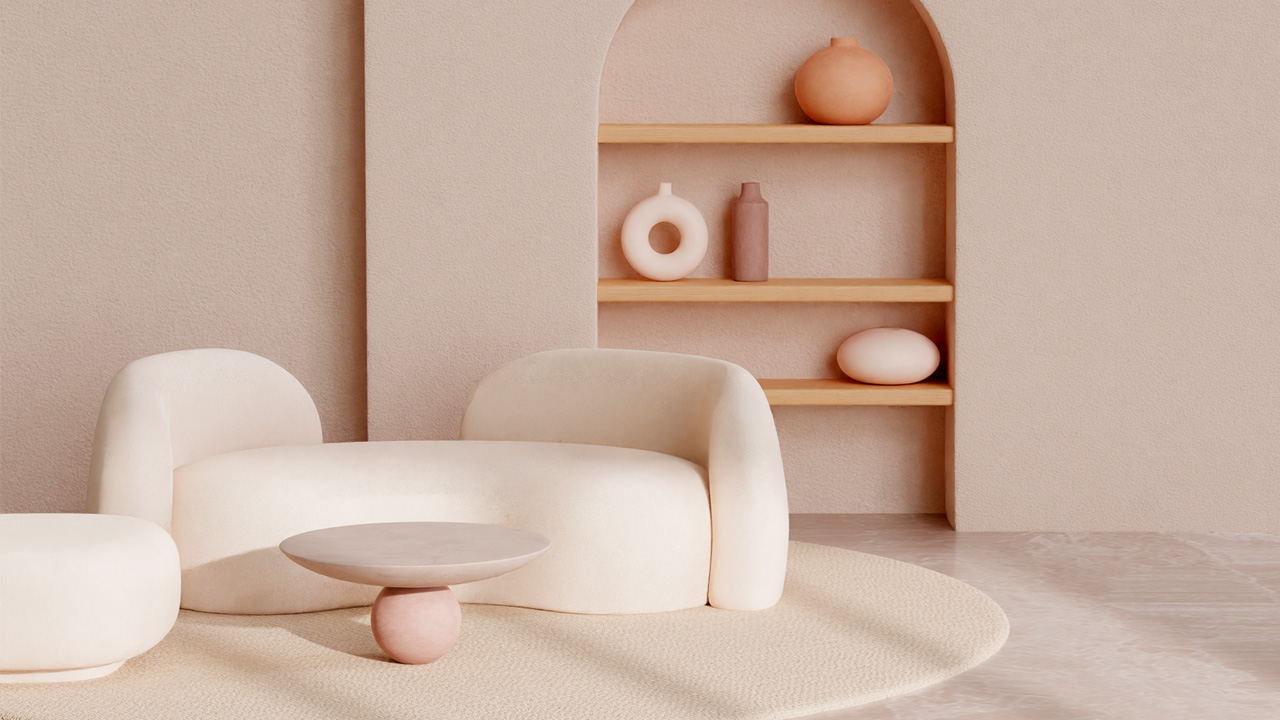
Minimalist home design 2026 is redefining the way Canadians approach interior spaces. Clean lines, functional layouts, and a “less is more” philosophy are becoming central to modern living, helping homeowners create calm, organized, and aesthetically pleasing environments. In this article, we explore the key trends in minimalist interiors for 2026, practical tips to apply them in Canadian homes, and ways to blend functionality with style.
Understanding Minimalist Home Design
Minimalist design emphasizes simplicity, functionality, and quality over quantity. It’s not just about reducing clutter—it’s a lifestyle choice that prioritizes purposeful design, efficient use of space, and intentional décor. Key principles include:
- Clean lines and simple geometry: Furniture and décor items avoid excessive ornamentation.
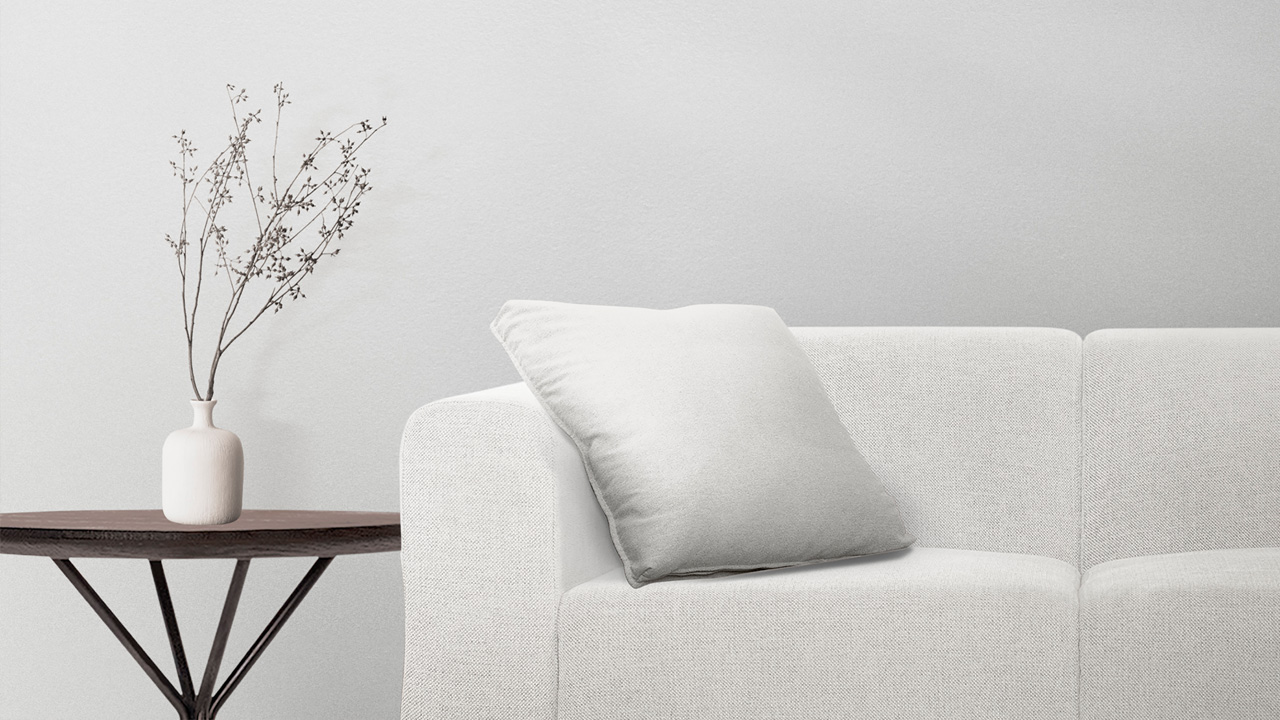
- Neutral color palettes: Whites, greys, muted tones, and natural materials dominate.
- Open spaces and natural light: Maximizing light and avoiding overcrowded layouts.
- Functional furniture: Pieces often serve multiple purposes to optimize space.
In Canadian homes, minimalist interiors also consider practical factors such as climate, storage needs, and urban apartment living.
Key Trends in Minimalist Home Design 2026
Smart Storage Solutions
As urban living spaces shrink, innovative storage becomes essential. Multi-functional furniture like beds with drawers, wall-mounted shelving, and modular units allow homeowners to maintain a clean look without sacrificing utility.
Biophilic and Sustainable Elements
Minimalist 2026 interiors incorporate natural materials such as wood, stone, and eco-friendly finishes. Integrating plants and greenery enhances mental wellbeing and connects residents to nature, aligning with Canada’s growing eco-conscious lifestyle.
Neutral and Muted Color Palettes
While minimalism traditionally uses whites and greys, 2026 introduces soft earthy tones and subtle pastels to create warmth without clutter. Accent pieces in muted colors provide interest without overpowering simplicity.
Minimalist Technology Integration
Smart home devices, integrated lighting, and automated climate control are increasingly designed to blend seamlessly with minimalist interiors. Technology complements the aesthetic while enhancing convenience and efficiency.
Practical Tips for Canadians Adopting Minimalist Home Design
- Declutter First: Remove items that are non-essential or purely decorative.
- Invest in Multi-Functional Furniture: Choose pieces that combine storage, seating, or workspace.
- Focus on Quality Over Quantity: Prioritize durable, high-quality materials that last longer.
- Use Open Layouts: Maintain open sightlines and avoid overcrowding rooms with unnecessary furniture.
- Integrate Natural Light: Maximize windows, mirrors, and light-reflective surfaces to enhance the feeling of space.
- Sustainable Choices: Select eco-friendly materials and Canadian-made products to reduce environmental impact.
Benefits of Minimalist Design in Canadian Homes
- Enhanced Mental Wellbeing: Less clutter reduces stress and promotes calm.
- Easier Maintenance: Fewer items and simpler layouts make cleaning and upkeep more efficient.
- Timeless Aesthetics: Minimalism’s focus on neutral palettes and functional design ensures longevity in style.
- Space Optimization: Ideal for condos, apartments, or homes with smaller footprints.
Integrating Minimalism with Personal Style
Minimalist design doesn’t mean sacrificing personality. Canadians can personalize spaces by:
- Using subtle artwork, photography, or wall textures.
- Selecting a few meaningful décor pieces rather than many small items.
- Incorporating statement furniture that doubles as functional art.
This approach allows for both aesthetic coherence and individuality, ensuring homes remain inviting and personal.
Why Minimalist Home Design 2026 is Perfect for Canadian Homes
Minimalist home design 2026 offers Canadians a way to create functional, stylish, and serene interiors that are practical for modern living. By combining smart storage, sustainable materials, muted palettes, and integrated technology, homeowners can enjoy spaces that are both beautiful and efficient. Minimalism is more than a trend—it’s a lifestyle choice that supports wellbeing, environmental consciousness, and timeless aesthetics.
Adopt minimalist principles today to transform your home into a calm, organized, and visually appealing sanctuary.
References:
https://www.architecturaldigest.com/story/minimalist-interior-design-trends-2026
https://www.dezeen.com/2023/10/15/minimalism-home-design-ideas
https://www.housebeautiful.com/design-trends/minimalist-interiors/
https://www.houzz.com/magazine/minimalist-home-design-trends